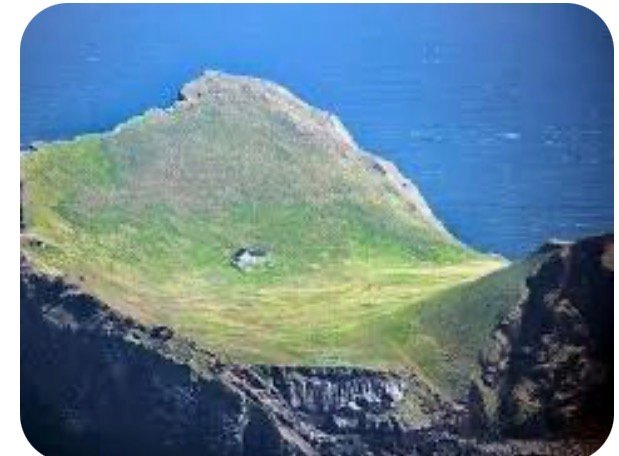
House on Island in Middle of Ocean: Dream Living or Ultimate Challenge?
Imagine waking up to nothing but the sound of waves, endless ocean views, and complete solitude. A house on an island in the middle of the ocean sounds like the ultimate escape—a private paradise far from the noise of modern life. But is it really as idyllic as it seems?
Let’s dive into what island living is truly like, from the appeal and practicality to the challenges you might not expect.
Why People Dream of a House on an Island
The idea of living on a remote island taps into something deeply human—the desire for freedom, peace, and connection with nature.
Total Privacy and Seclusion
One of the biggest draws is complete privacy. With no neighbors in sight, you can enjoy uninterrupted peace. For writers, artists, or anyone craving solitude, this kind of environment can be incredibly inspiring.
Stunning Natural Surroundings
Crystal-clear waters, untouched beaches, and dramatic sunsets become part of your daily routine. Unlike city living, nature isn’t something you visit—it’s your home.
Escape from Modern Stress
Life on an island naturally slows down. There’s less traffic, fewer distractions, and more time to focus on what truly matters—whether that’s creative work, family, or personal well-being.
The Reality of Living on a Remote Island
While the dream is appealing, living in a house on an island in the middle of the ocean comes with real-world challenges.
Limited Access to Essentials
Groceries, medical care, and supplies aren’t just a quick trip away. Everything needs to be planned and often transported by boat or helicopter.
Dependence on Weather Conditions
Storms and rough seas can isolate you for days or even weeks. Weather isn’t just small talk—it directly impacts your safety and lifestyle.
Infrastructure Challenges
You may need to generate your own electricity (solar or wind), collect rainwater, and manage waste independently. This requires both investment and technical know-how.
Cost of Building a House on an Island
Building a home in such a remote location isn’t cheap—and costs can vary dramatically.
Land Acquisition
Private islands range from surprisingly affordable to extremely expensive depending on location, size, and accessibility.
Construction Costs
Transporting materials and labor can double or triple normal building costs. Specialized designs are also needed to withstand saltwater corrosion and extreme weather.
Ongoing Maintenance
Ocean environments are harsh. Regular maintenance is essential to prevent damage from humidity, salt, and storms.
Practical Tips for Island Living
If you’re seriously considering this lifestyle, preparation is everything.
Choose the Right Location
Not all islands are equal. Look for:
- Stable weather patterns
- Reasonable access to mainland services
- Legal permissions for building
Invest in Sustainable Systems
Reliable off-grid systems are crucial:
- Solar panels with battery storage
- Rainwater harvesting systems
- Backup generators
Plan for Emergencies
Always have:
- Emergency communication systems (satellite phone)
- First aid supplies and medical plans
- Evacuation options
Build Smart
Use materials designed for marine environments, such as treated wood, concrete, and corrosion-resistant metals.
Real-Life Examples of Island Homes
There are many real-world examples of people successfully living on remote islands:
- Private eco-retreats powered entirely by renewable energy
- Luxury villas designed for isolation and comfort
- Minimalist cabins focused on sustainable living
Some homeowners turn their island houses into vacation rentals, creating a unique income stream while sharing the experience with others.
Is It Worth It?
A house on an island in the middle of the ocean offers unmatched beauty and tranquility—but it’s not for everyone.
It requires:
- Financial investment
- Strong planning and resilience
- Comfort with isolation
For the right person, though, it’s more than a home—it’s a lifestyle that redefines independence and connection with nature.
Final Thoughts
Living on an island in the middle of the ocean is the kind of dream that sparks imagination—and with the right preparation, it can become a reality. While the challenges are real, so are the rewards: peace, privacy, and a life surrounded by nature’s raw beauty.
If you’re drawn to the idea, start small—research locations, explore sustainable living options, and understand the logistics. Because sometimes, the most extraordinary homes are the ones farthest away from everything.