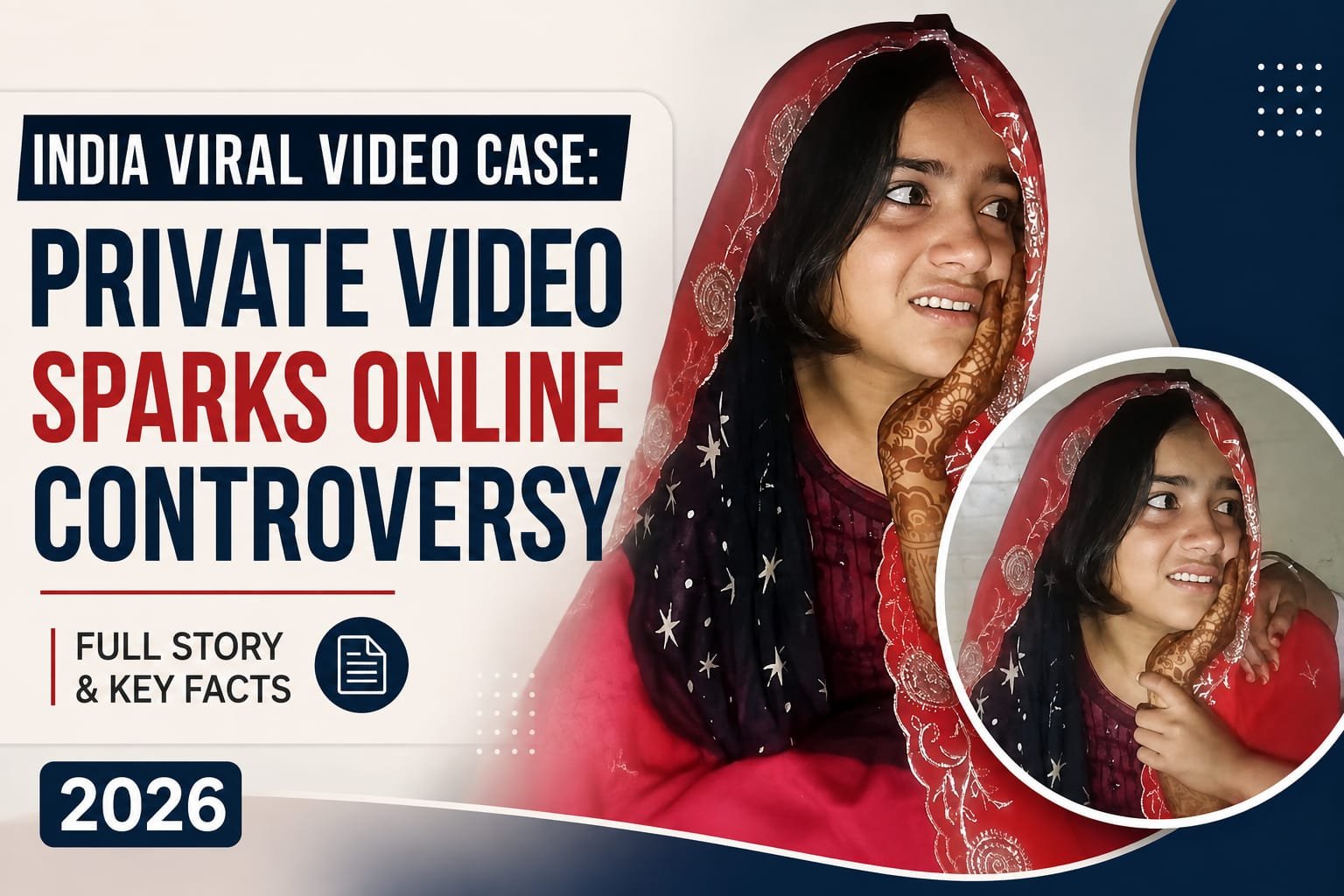
A private video can become a nationwide online controversy within hours. In India, viral-video incidents involving allegedly private footage often attract enormous attention across social media, messaging platforms, and search engines. But behind the trending keywords are serious questions about privacy, consent, misinformation, and responsible online behavior.
The India viral video case has generated discussion not simply because of the video’s alleged existence, but because of how quickly private or unverified material can spread online. This article explains the broader issue, what users should know, and why sharing such content can create serious consequences.
What Is the India Viral Video Case About?
The phrase India viral video case can refer to an online controversy surrounding allegedly private footage that has circulated through social media or messaging platforms.
In many cases, the original source of a video is unclear. Posts may use dramatic captions, claims about the people shown, or statements suggesting that the material is authentic. However, an online claim does not automatically make the underlying information true.
Why Did the Video Become Viral?
Several factors can contribute to the rapid spread of controversial content:
- Curiosity surrounding trending searches
- Social-media recommendation algorithms
- Reposts and screenshots
- Messaging-app forwards
- Sensational headlines
- Unverified claims about the people involved
Once thousands of accounts begin discussing a piece of content, it can become difficult to distinguish verified information from speculation.
Privacy and Consent Are the Central Issues
One of the most important aspects of a private video controversy is consent.
If footage was recorded or shared privately, distributing it publicly without permission can cause significant harm to the individuals involved. Even downloading, forwarding, reposting, or encouraging others to search for intimate material can contribute to that harm.
People should therefore avoid treating private footage as entertainment or online gossip.
A Viral Video Does Not Mean It Is Authentic
Another important issue is verification.
Videos can be:
- Edited or selectively clipped
- Taken from an unrelated event
- Misidentified
- Reposted with a false caption
- Manipulated using modern editing or AI tools
For this reason, users should be extremely cautious before accepting claims surrounding an India viral video case.
Why Searching for Private Footage Can Be Risky
People searching for controversial videos may encounter websites promising exclusive footage, downloads, or uncensored versions. Such websites can create additional risks.
Potential Online Risks
Unknown websites may contain:
- Malware or suspicious downloads
- Phishing pages
- Fake video players
- Aggressive advertisements
- Misleading redirects
- Requests for unnecessary personal information
More importantly, searching for or distributing someone’s private material can violate privacy and potentially create legal problems depending on the circumstances and applicable laws.
What Should You Do If You Receive the Video?
If a controversial private video appears in your messages, the safest approach is not to forward it.
Instead:
- Do not download or repost the material.
- Do not share screenshots containing private information.
- Avoid identifying or naming people based on rumors.
- Report the content through the platform’s reporting tools.
- Block accounts repeatedly distributing inappropriate material.
- Verify news through credible sources before believing claims.
If the material appears to involve someone who may be underage, do not save, copy, or distribute it. Report it through the appropriate platform or authorities instead.
How Social Media Users Can Respond Responsibly
The best response to a viral controversy is to focus on verified information rather than sensational material.
Before sharing a post, ask:
Is the Source Reliable?
Look for reporting from established news organizations or official statements rather than anonymous social-media accounts.
Is the Claim Verified?
A viral post, hashtag, or large number of views is not evidence that a claim is genuine.
Could Sharing Cause Harm?
If the content appears private, intimate, or personally identifying, sharing it can seriously affect someone’s reputation, safety, and wellbeing.
The Bigger Lesson Behind Viral Video Controversies
The India viral video case highlights a broader problem with today’s digital environment: information can travel much faster than verification.
A person can lose control of private material within minutes once it is copied and redistributed. Meanwhile, false claims can spread alongside genuine information, making it difficult for ordinary users to understand what actually happened.
Responsible internet use therefore requires more than simply avoiding questionable websites. It also means refusing to participate in the distribution of private content and avoiding speculation about people involved in online controversies.
Conclusion
The India viral video case: private video sparks online controversy is a reminder that viral content should be approached carefully. Not everything trending online is authentic, and private material should never be treated as ordinary entertainment.
The most responsible approach is simple: do not search for, download, or share private footage; avoid unverified claims; and rely on credible information when trying to understand an online controversy.